
 برای بزرگنمایی لمس کنید
همه چیز درباره جلوگیری از عود سرطان مثانه؛ پیشگیری و مراقبتهای پزشکی
- نویسنده
- دکتر مهدی قاضی
- تاریخ انتشار
- ۸ مهر ۱۴۰۴
- زمان مطالعه
- ۶ دقیقه مطالعه
- آخرین بهروزرسانی
- بهروزرسانی: ۲۹ تیر ۱۴۰۵
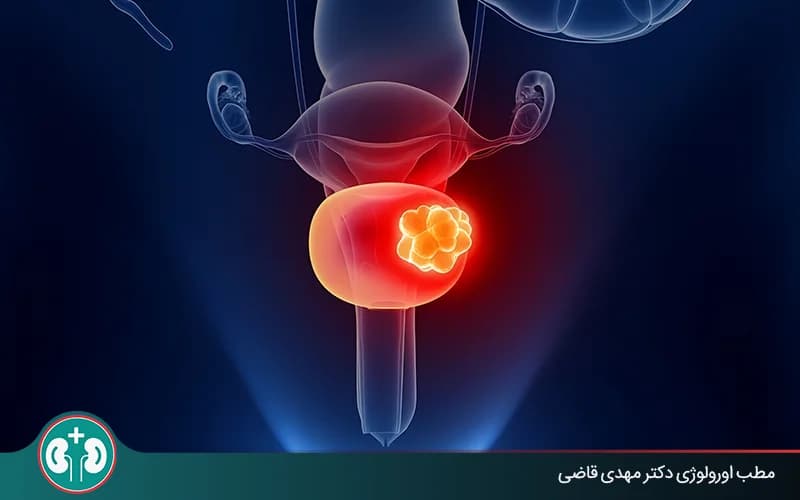
جلوگیری از عود سرطان مثانه یکی از مهمترین دغدغههای افرادی است که بهتازگی درمان خود را به پایان رساندهاند. طبیعی است که هیچکس نمیخواهد دوباره درگیر سختیهای درمان و هزینههای بالای آن شود؛ همه دوست دارند پس از درمان، زندگی راحتتری را تجربه کنند.
شناخت عواملی که احتمال بازگشت بیماری را کاهش میدهند و در مقابل، عواملی که موجب عود سرطان مثانه میشوند، به شما آرامش بیشتری میدهد؛ چراکه میتوانید بر اساس این آگاهی، سبک زندگی خود را اصلاح کنید. در ادامه ابتدا توضیح میدهیم چرا سرطان مثانه ممکن است دوباره برگردد و سپس دربارهٔ روشهای علمی، تغییرات سبک زندگی و دیگر راهکارهایی صحبت خواهیم کرد که تأثیر زیادی در کاهش احتمال عود این بیماری دارند.
چرا سرطان مثانه ممکن است عود کند؟
مطالعهای در ایران که در ژورنال Asian Journal of Urology انجام شد، نشان میدهد که در ۴۹.۷% از افرادی که تحت درمان سرطان مثانه قرار گرفتهاند، بیماری دوباره عود کرده است. بروز دوبارۀ این بیماری به عوامل مختلفی بستگی دارد؛ از جملۀ این موارد میتوان به نوع تومور، شدت بیماری و حتی سبک زندگی (مانند مصرف سیگار یا کمتحرکی) اشاره کرد. در ادامه، مهمترین عوامل خطر تکرار سرطان مثانه را بررسی میکنیم.
عفونت مثانه، مثانهٔ بیشفعال، بیاختیاری و تومور مثانه درمان بیماریهای مثانه در مشهد
توجه : بر اساس علت مراجعه و به منظور افزایش کیفیت و رضایتمندی بیماران , پزشکان این مجموعه در حوزه مرتبط بیماران را ویزیت میکنند.

رزرو نوبت
عوامل خطر تکرار سرطان مثانه
عوامل مختلفی میتوانند احتمال بازگشت این بیماری را بیشتر کنند. ازاینرو، شناخت آنها نقش مهمی در کنترل عوامل خطر و پیشگیری از عود سرطان مثانه خواهد داشت. بعضی از این عوامل به ویژگیهای خودِ تومور مربوط هستند و بعضی دیگر به شرایط و سبک زندگی فرد بستگی دارند. از جملۀ مهمترین این عوامل میتوان به موارد زیر اشاره کرد:
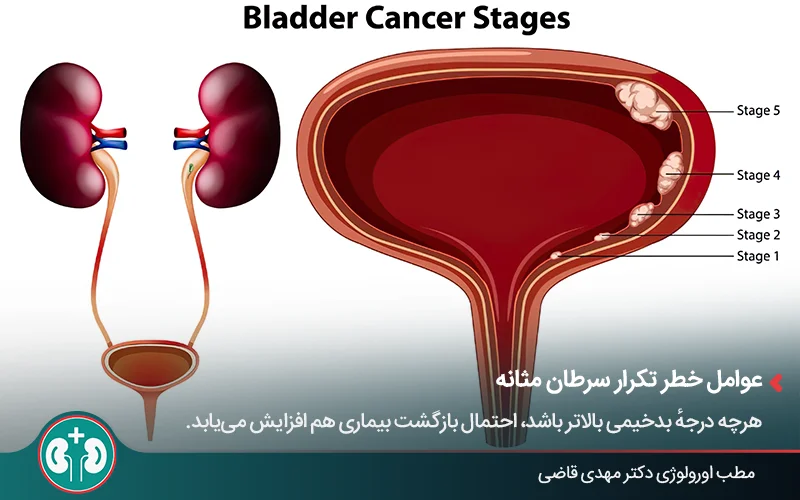
ویژگیهای تومور: هرچه اندازۀ تومورها بزرگتر و تعداد آنها بیشتر باشد، احتمال اینکه بیماری دوباره عود کند، بالاتر است. عامل دیگر میزان بدخیمی تومورها است؛ بهطور طبیعی هرچه درجهٔ بدخیمی بالاتر باشد، احتمال بازگشت بیماری هم افزایش مییابد.
شدت بیماری: در افرادی که بیماریشان در مراحل پیشرفتهتر تشخیص داده شده است، احتمال عود بیماری بیشتر خواهد بود.
ژنتیک و سن: برخی افراد به لحاظ ژنتیکی زمینۀ ابتلا به بیماریهایی مانند سرطان مثانه را دارند. در این افراد و همچنین بیماران مسن، احتمال بازگشت بیماری بیشتر است.
استعمال دخانیات: سیگار یکی از خطرناکترین عوامل است که هم در بروز سرطان مثانه نقش دارد و هم در بازگشت آن.
کمتحرکی و مصرف الکل: سبک زندگی کمتحرک در کنار استفاده از نوشیدنیهای الکلی، احتمال عود سرطان مثانه را به شکل قابلتوجهی افزایش میدهد.
عوامل محیطی: افرادی که در محیطهای صنعتی کار میکنند یا با مواد شیمیایی خاص (مثل رنگها و حلالها) سروکار دارند، بیشتر در معرض خطر بازگشت بیماری هستند.
اهمیت معاینات و آزمایشهای دورهای
مهمترین قدم بعد از درمان سرطان مثانه، پیگیری منظم پزشکی و غربالگری سرطان برای بررسی عود مجدد توده است. در این چکاپها فرد باید طبق صلاحدید پزشک، آزمایشهای دورهای مثل آزمایش ادرار، سیستوسکوپی و سونوگرافی را انجام دهد. با توجه به اینکه این اقدامات بهترین راه برای تشخیص زود هنگام بازگشت بیماری و شروع سریع درمان هستند، در این قسمت بیشتر راجعبه این موضوع صحبت خواهیم کرد.

سیستوسکوپی و آزمایشهای دورهای
برای بیمارانی که درمان سرطان مثانه را پشت سر گذاشتهاند، هیچچیز بهاندازهٔ معاینات دورهای اهمیت ندارد. پزشک معمولاً بعد از درمان از روشها و تکنیکهای زیر برای ارزیابی وضعیت فرد استفاده میکند:
سیستوسکوپی: در این روش پزشک با استفاده از یک لولۀ باریک مجهز به دوربین، داخل مثانه را بهطور مستقیم بررسی میکند. سیستوسکوپی بهترین و دقیقترین راه برای تشخیص زودهنگام عود سرطان مثانه است.
آزمایش ادرار: این آزمایش به شناسایی سلولهای غیرطبیعی یا دیگر پارامترهایی که نشاندهندۀ بازگشت سرطان هستند، کمک میکند.
سونوگرافی: در این روش با کمک امواج صوتی، یک تصویر دقیق از مثانه و کلیهها به دست میآید که بهخوبی وجود توده یا تغییرات غیرطبیعی را نشان میدهد.
روشهای علمی برای جلوگیری از عود سرطان مثانه
تغییر سبک زندگی نقش مهمی در کاهش احتمال عود سرطان مثانه دارد، اما بهتنهایی کافی نیست. در بسیاری از موارد لازم است بیمار از درمانهای کمکی مانند ایمنیدرمانی یا شیمیدرمانی تکمیلی و همچنین داروهای مناسب استفاده کند تا احتمال بازگشت بیماری به شکل قابلتوجهی کاهش یابد. در ادامه، مهمترین راهکارهای علمی برای پیشگیری از عود سرطان مثانه را معرفی میکنیم.
درمانهای تکمیلی و مکملها
در کنار جراحی و درمانهای اصلی، گاهی پزشک از داروهای پیشگیرانه و تکمیلی کمک میگیرد تا احتمال بازگشت بیماری را کاهش دهد. در ادامه راجعبه این موضوع صحبت میکنیم، اما نکته مهم این است که از این روشها و داروها فقط باید زیر نظر پزشک استفاده کنید.
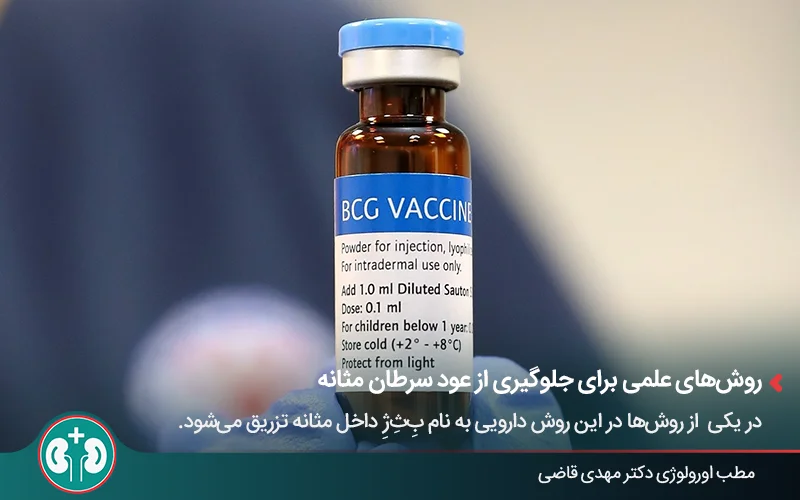
ایمنی درمانی: در این روش دارویی به نام بِثِژِ (واکسن سِل) داخل مثانه تزریق میشود. این دارو سیستم ایمنی بدن را تحریک میکند تا سلولهای سرطانی باقیمانده در مثانه را از بین ببرد.
شیمیدرمانی داخل مثانه: بعد از جراحی اولیه، داروهایی مانند میتومایسینسی یا جِمسیتابین در مثانه تزریق میشوند تا سلولهای سرطانی باقیمانده از بین بروند و خطر بازگشت بیماری کمتر شود.
مکملهای تغذیهای: شواهد علمی قطعی دربارۀ اثر مکملها وجود ندارد. بااینحال برخی پژوهشها نشان دادهاند (مانند پژوهش منتشر شده در ژورنال Nutrition and Cancer) که مصرف منظم ویتامین D میتواند در کاهش احتمال عود مؤثر باشد. طبق تحقیقات انجام شده، بیمارانی که سطح ویتامین D بدنشان کمتر از ۱۲ نانوگرم در هر میلیلیتر از خون باشد، خطر عود بیماری در آنها حدود ۲.۰۹ برابر بیشتر خواهد بود.
سبک زندگی و تغذیه سالم برای بیماران
همانطور که قبلاً اشاره کردیم، تغییر سبک زندگی، داشتن یک رژیم غذایی سالم و ترک دخانیات نقش مهمی در پیشگیری از عود سرطان مثانه دارند. در ادامه به این موضوع خواهیم پرداخت که سبک زندگی برای جلوگیری از عود بیماری چه ویژگیهایی دارد و چه مواردی را شامل میشود.
خوراکیهای مفید و پرهیزهای غذایی
یکی از سادهترین راههای جلوگیری از عود سرطان مثانه، رعایت یک رژیم غذایی سالم است. درحالیکه خوراکیهای مفید موجب تقویت سیستم ایمنی میشوند، برخی از مواد غذایی احتمال بازگشت بیماری را افزایش میدهند.
خوراکیهای مفید
برای حفظ سلامت مثانه و پیشگیری از سرطان و مشکلاتی مانند التهاب، خوراکیها نقش مهمی دارند. در ادامه چند گروه غذایی مفید را معرفی میکنیم که موجب پاکسازی بدن، تقویت سیستم ایمنی و کاهش ریسک بیماریها میشوند:
میوهها و سبزیجات تازه: میوهها و بهویژه سبزیجاتی مثل بروکلی، گلکلم و کلم که سرشار از آنتیاکسیدان هستند، از سلولها در برابر رادیکالهای آزاد محافظت میکنند و جلوی رشد غیرطبیعی سلولها یا شکلگیری تومورها را میگیرند.
آب: نوشیدن ۶ تا ۸ لیوان آب در روز به رقیق شدن ادرار و دفع سریعتر مواد مضر کمک میکند.
غذاهای سرشار از فیبر: خوراکیهایی مثل غلات سبوسدار، حبوبات و مغزها بهدلیل داشتن فیبر بالا باعث میشوند مواد زائد و ترکیبات سرطانزا سریعتر از بدن دفع شوند و فرصت کمتری برای باقی ماندن در مثانه داشته باشند.
منابع پروتئین کمچرب: پروتئینهای کمچرب مثل ماهی و مرغ، علاوه بر اینکه انرژی لازم را به بدن میدهند، مضرات گوشتهای چرب یا فراوریشده را ندارند و از همه مهمتر به تقویت سیستم ایمنی کمک میکنند.

پرهیزهای غذایی
برای کاهش احتمال عود سرطان مثانه، بهتر است مصرف خوراکیهای زیر را تا حد ممکن کاهش دهید:
گوشتهای فراوریشده: تا جای ممکن از سوسیس، کالباس و بیکن که حاوی مواد نگهدارنده و ترکیبات سرطانزا هستند، استفاده نکنید.
غذاهای سرخشده و پرچرب: مصرف مداوم این خوراکیها باعث التهاب و ضعف سیستم ایمنی میشود و زمینه را برای بازگشت بیماری فراهم میکند.
نوشابههای گازدار و شیرین: این نوشیدنیها باعث افزایش التهاب در بدن، تضعیف سیستم ایمنی و اسیدیتر شدن محیط بدن بهویژه مثانه میشوند؛ همۀ این موارد کنار هم شرایط را برای رشد دوبارۀ سلولهای سرطانی مهیا میکند.
جدول مواد غذایی مفید و مضر برای جلوگیری از عود سرطان مثانه
در جدول زیر میتوانید لیستی از مواد غذایی مفید و مضر برای جلوگیری از عود سرطان مثانه را خواهید دید:
مواد غذایی مضر | مواد غذایی مفید | دستهبندی |
|---|---|---|
- | بروکلی، گلکلم، کلم، سیب، پرتقال | میوه و سبزیجات |
نوشیدنیهای الکلی، نوشابههای قندی | آب کافی، دمنوشهای گیاهی ملایم | نوشیدنیها |
گوشتهای فراوریشده (سوسیس، کالباس) | ماهی، مرغ، حبوبات | پروتئینها |
غذاهای سرخشده و پرچرب | غلات سبوسدار، مغزها | سایر خوراکیها |
فعالیت بدنی و ورزش در بیماران سرطان مثانه
فعالیت بدنی منظم نیز یکی دیگر از راهکارهای بسیار مؤثر در جلوگیری از عود سرطان مثانه است؛ بنابراین اگر بهتازگی مراحل درمان را پشت سر گذاشتهاید، میتوانید یکی از موارد زیر یا ترکیبی از آنها را در برنامۀ روزانه خود قرار دهید.
پیادهروی روزانه: راه رفتن آرام یا متوسط به مدت ۲۰ تا ۳۰ دقیقه باعث افزایش جریان خون و اکسیژنرسانی بهتر به بافتها میشود. در نتیجه مواد زائد سریعتر دفع میشوند و بدن سیستم دفاعی بهتری خواهد داشت.
یوگا: استرس یکی از مهمترین عواملی است که باعث ضعف سیستم ایمنی بدن میشود؛ بنابراین برای جلوگیری از عود سرطان مثانه میتوانید یوگا انجام دهید. یوگا یکی از بهترین تمرینات جسمی و ذهنی است که نقش مؤثری در کاهش سطح استرس در بدن دارد.
تمرینهای سبک مقاومتی: این تمرینات باعث تقویت عضلات و حفظ تودۀ عضلانی میشوند. هر چه عضلات قویتر باشند، بدن متابولیسم بهتری خواهد داشت و این یعنی بدن انرژی و مقاومت بیشتری در برابر بیماریها و همچنین عود بیماریهایی همچون سرطان مثانه خواهد داشت.

نقش حمایت خانواده و رواندرمانی
یکی از مهمترین نکاتی که باید به آن توجه داشته باشید، این است که سرطان فقط بدن را درگیر نمیکند. در واقع فشار روانی و استرسی که فرد بیمار متحمل میشود، شاید در مواردی آزاردهندهتر از درد جسمی باشد. حال تصور کنید که استرس باعث تضعیف سیستم ایمنی بدن هم میشود. اینجاست که نقش حمایت خانواده و حتی رواندرمانی اهمیت پیدا میکند.
بنابراین اگر نقش خانوادۀ فرد بیمار را دارید، سعی کنید او را در ویزیتهای پزشکی همراهی کنید. محیط را آرام و امیدوارکننده نگه دارید تا فرد بتواند انگیزهاش را برای شروع یا ادامۀ درمان و حتی پیگیریهای پزشکی بعد از درمان حفظ کند.
در مواردی که فرد دچار اضطراب است و ترس زیادی از عود بیماری دارد، مشاوره با روانشناس یکی از بهترین اقدامات خواهد بود. رواندرمانی به فرد تازه درمان شده کمک میکند که اضطراب خود را کنترل کند و کیفیت زندگیاش را هم ارتقا دهد.

برای جلوگیری از عود سرطان مثانه چهکار کنیم؟
عود سرطان مثانه اگرچه یک مسئله جدی است اما تا حد زیادی قابل مدیریت است. همانطور که توضیح دادیم، عوامل مختلفی مانند ویژگیهای تومور، سبک زندگی یا عادات ناسالم، خطر بازگشت بیماری را افزایش میدهند. در مقابل، استفاده از درمانهای تکمیلی، رعایت رژیم غذایی سالم، ورزش منظم و انجام معاینات دورهای، بهطور قابلتوجهی از بروز دوبارهٔ بیماری جلوگیری میکنند. البته که نقش حمایت خانواده و توجه به سلامت روان را هم نمیتوان در این موضوع نادیده گرفت. برای دریافت اطلاعات بیشتر دربارهٔ این بیماری میتوانید محتوای سرطان مثانه را مطالعه کنید.
سوالات متداول
چرا سرطان مثانه ممکن است پس از درمان دوباره عود کند؟
عود سرطان مثانه، بهویژه در نوع غیرعضلانی (سطحی)، پدیدهای شایع است. علت آن میتواند باقیماندن سلولهای سرطانی ریز در مخاط مثانه یا مستعد بودن بافت مثانه برای ایجاد تومورهای جدید باشد. عواملی مانند اندازه و تعداد تومورها، درجهٔ بدخیمی و نیز ادامهٔ مصرف سیگار در افزایش احتمال عود نقش دارند.
چه روشهای پزشکی برای پیشگیری از عود وجود دارد؟
علاوه بر برداشت کامل تومور با روش استاندارد جراحی آندوسکوپیک (TURBT)، استفاده از داروهای داخلمثانهای مانند شیمیدرمانی یا ایمنوتراپی میتواند خطر عود را کاهش دهد. انتخاب روش مناسب بسته به میزان خطر بیماری توسط پزشک تعیین میشود.
نقش ایمنوتراپی داخلمثانهای (BCG) در کاهش خطر عود چیست؟
تزریق داروی BCG داخل مثانه یکی از مؤثرترین روشها برای پیشگیری از بازگشت سرطان در بیماران با خطر متوسط تا بالا است. این درمان هم احتمال عود و هم خطر پیشرفت بیماری را کاهش میدهد و معمولاً در قالب دورههای القایی و نگهدارنده تجویز میشود.
آیا شیمیدرمانی داخل مثانه مؤثر است؟
بله. در برخی بیماران، بهویژه آنهایی که در گروه خطر متوسط قرار دارند، تزریق داروهایی مانند میتومایسین C داخل مثانه میتواند عود را بهطور قابل توجهی کاهش دهد. انتخاب بین شیمیدرمانی یا ایمنوتراپی بر اساس شرایط بالینی و نظر پزشک انجام میشود.
چه نقشی برای پیگیریهای منظم در پیشگیری از عود وجود دارد؟
پیگیری منظم با سیستوسکوپی (بررسی داخل مثانه با دوربین)، آزمایشهای ادرار و در برخی موارد تصویربرداری، امکان تشخیص زودهنگام عود را فراهم میکند. تشخیص بهموقع باعث میشود درمان سریعتر آغاز شود و از پیشرفت بیماری جلوگیری گردد.
ترک سیگار و تغییر سبک زندگی چه تأثیری دارد؟
سیگار مهمترین عامل قابل کنترل در عود سرطان مثانه است. ترک سیگار بهطور مستقیم خطر بازگشت بیماری را کاهش میدهد. همچنین حفظ وزن سالم، فعالیت بدنی منظم و پرهیز از تماس با مواد شیمیایی مضر به سلامت کلی مثانه کمک میکند.
آیا رژیم غذایی یا مکملها نقشی در پیشگیری دارند؟
شواهد علمی قطعی برای نقش مکملها یا رژیم غذایی خاص در جلوگیری از عود وجود ندارد. توصیهٔ اصلی داشتن تغذیهٔ متعادل، مصرف کافی میوه و سبزی و پرهیز از عادات پرخطر است. مصرف هرگونه مکمل باید فقط با توصیهٔ پزشک انجام شود.
آیا در برخی بیماران جراحی وسیعتر مانند برداشت کامل مثانه لازم است؟
در بیماران با خطر بسیار بالا یا در صورت شکست درمانهای داخلمثانهای، ممکن است پزشک انجام سیستکتومی (برداشت کامل مثانه) را پیشنهاد کند. این روش با هدف جلوگیری از عودهای مکرر و پیشگیری از پیشرفت بیماری انجام میشود.
در صورت بروز عود چه اقداماتی انجام میشود؟
اگر بیماری دوباره بازگردد، معمولاً تومور دوباره با TURBT برداشته میشود و بسته به شرایط بیمار، درمان داخلمثانهای تقویت یا تغییر مییابد. در موارد مقاوم، گزینههای جراحی مانند سیستکتومی مطرح میشود.
بیماران چه اقداماتی برای کاهش خطر عود باید انجام دهند؟
مهمترین کارها شامل پایبندی به برنامهٔ پیگیری منظم، تکمیل دورهٔ درمان داخلمثانهای طبق نظر پزشک، ترک سیگار و اطلاع سریع به پزشک در صورت مشاهدهٔ علائمی مانند خون در ادرار یا تغییر در الگوی دفع ادرار است. این اقدامات به کاهش خطر عود و افزایش احتمال تشخیص زودهنگام کمک میکند.
اقدامها و مسیرهای مرتبط
پزشکان مرتبط با این موضوع در مشهد
مشاهدهٔ همهٔ پزشکان: بهترین دکتر عفونت ادراری و بیاختیاری ادرار مشهد




دربارهٔ نویسنده

جراح و متخصص اورولوژی
دکتر مهدی قاضی، جراح و متخصص اورولوژی در مشهد. مقالات این سایت زیر نظر پزشکان ساختمان اورولوژی دکتر قاضی نوشته و بازبینی میشوند.
مشاهدهٔ پروفایل و نوبتدهی
دیدگاهها
0 دیدگاه
هنوز دیدگاهی ثبت نشده است. اولین نفری باشید که نظر میدهد.