
 برای بزرگنمایی لمس کنید
راه های جلوگیری از انتقال زگیل تناسلی
- نویسنده
- دکتر مهدی قاضی
- تاریخ انتشار
- ۱ اردیبهشت ۱۴۰۴
- زمان مطالعه
- ۶ دقیقه مطالعه
- آخرین بهروزرسانی
- بهروزرسانی: ۲۸ مرداد ۱۴۰۵
واکسیناسیون، استفاده از کاندوم و محافظهای جنسی، اجتناب از روابط جنسی پرخطر و متعدد، رعایت بهداشت فردی، تقویت سیستم ایمنی و غربالگری و چکاپ منظم، 6 مورد از راهکارهای موثر و کارآمد برای پیشگیری از زگیل تناسلی هستند. در سال 2023، کتابخانۀ ملی پزشکی ایالات متحده (National Library of Medicine)، مقالهای منتشر کرد که نشان میداد آمریکاییها از سال 2014 تا 2018، سالانه 9 میلیارد دلار از پولشان را مستقیماً برای پیشگیری و درمان زگیل تناسلی و بیماریهای مرتبط با ویروس HPV هزینه کردهاند! این عدد واقعاً جای شگفتی و تأمل دارد و اهمیت این بیماری را نشان میدهد.
در این مقاله میخواهیم راهکارهای مفید و کارآمدی برای جلوگیری از زگیل تناسلی و آسیبهای ویروس پاپیلوم انسانی (HPV) ارائه دهیم.
اصول پایۀ پیشگیری از زگیل تناسلی
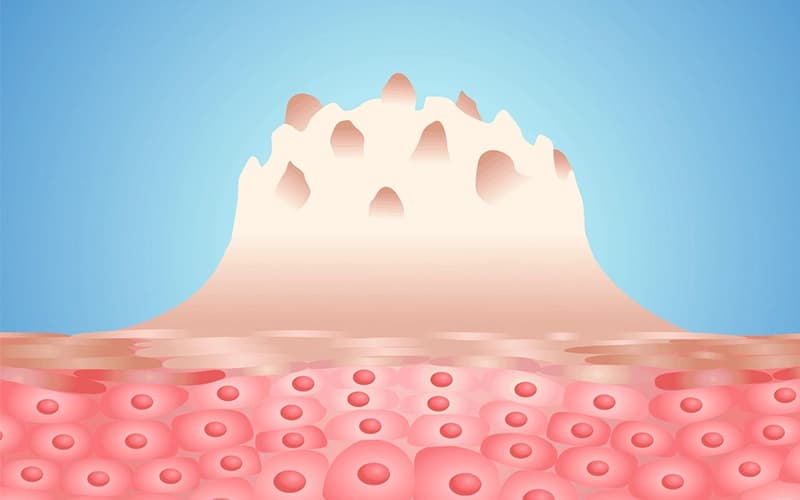
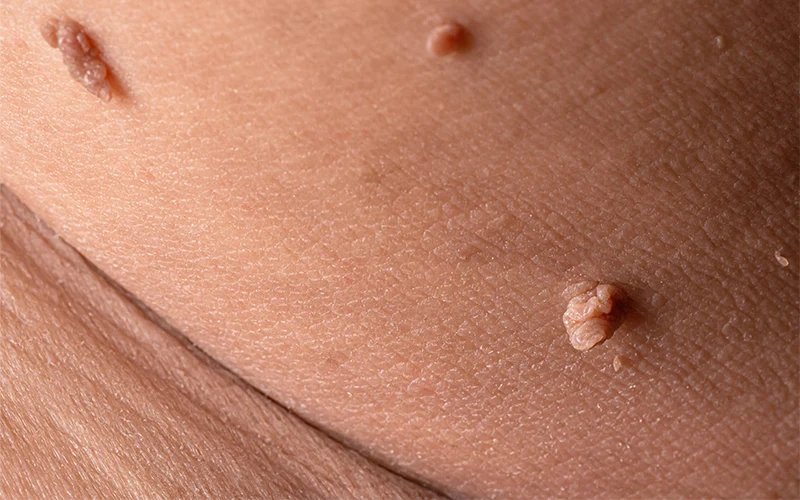
زگیل تناسلی همانطور که از اسمش مشخص است؛ یک بیماری مقاربتی است که بهصورت زائدههای گوشتی در ناحیۀ تناسلی (داخل یا خارج از واژن، روی آلت تناسلی مردان و زنان، مقعد یا کشالۀ ران) ظاهر میشود. این زائدههای گوشتی، بر اثر انتقال انواع خاصی از ویروس پاپیلوم انسانی (HPV) ایجاد میشوند. برای آشنایی دقیقتر با این بیماری شایع، میتوانید مقاله زگیل تناسلی چیست؟ را بخوانید.
لیزر، کرایوتراپی و جراحی زگیل تناسلی (HPV) درمان زگیل تناسلی مردان در مشهد
درمان تخصصی زگیل تناسلی مردان در مرکز مجهز توسط پزشکان متخصص با تجربه با تجهیزات تخصصی و روشهای روز درمانی.

رزرو نوبت
نکتهای که برخی نمیدانند این است که بیش از 200 سویۀ ویروس HPV وجود دارد و به سویههای پرخطر و کمخطر تقسیم میشوند. شباهت سویههای پرخطر و کمخطر ویروس HPV در این است که هر دو باعث ایجاد زگیل تناسلی میشوند و تفاوت آنها در این است که سویههای پرخطر باعث مشکلاتی مثل سرطان دهانۀ رحم، مقعد، آلت تناسلی و گلو میشوند.
وزارت بهداشت مینهسوتای آمریکا (Minnesota Department of Health) در گزارش HPV-Associated Cancer بهروشنی اعلام کرده است که «بیش از 90 درصد آقایان و 80 درصد بانوانی که از نظر جنسی فعالند، حداقل یکبار در دوران زندگیشان درگیر نوعی از ویروس HPV میشوند و حدود 50 درصد عفونتهای HPV مرتبط با انواع پرخطر این ویروس است» و میتواند به سرطان ختم شود. اینجاست که اهمیت روشهای پیشگیری از زگیل تناسلی در زنان و مردان اهمیت پیدا میکند.
گستردگی انتقال زگیل تناسلی در زنان و مردان باعث شد که این مقاله را آماده کنیم و در آن به روشهای جلوگیری از این بیماری مقاربتی بپردازیم. تزریق واکسن HPV، استفاده از محافظهای جنسی مثل کاندوم، تقویت سیستم ایمنی و پرهیز از روابط متعدد و پرخطر، برخی از این روشها هستند که در ادامه بهصورت کامل در موردشان صحبت خواهیم کرد.
روشهای انتقال و خطرات؛ جلوگیری از زگیل تناسلی با آگاهی از منشأ بیماری
روشهای مختلفی برای انتقال زگیل تناسلی وجود دارد که «رابطۀ جنسی واژینال، مقعدی و دهانی» اصلیترین راه انتقال محسوب میشود. تماس پوستبهپوست در ناحیۀ تناسلی (بدون دخول کامل) نیز میتواند باعث انتقال زگیل تناسلی شود.
برخی مطالعات در مورد زگیل تناسلی و بارداری نشان میدهد که در موارد نادر، این احتمال وجود دارد که زگیل تناسلی هنگام زایمان از مادر به نوزاد منتقل شود. همچنین در موارد بسیار نادر، نوزادی که از مادری با زگیل تناسلی متولد میشود دچار زگیل در گلو میشود. این مشکل جدی، پاپیلوماتوز تنفسی (Papillomatosis) نام دارد و برای جلوگیری از مسدود شدن مجاری تنفسی نوزاد توسط زگیلها، نیاز است جراحی انجام شود.
۶ راهکار کلیدی برای پیشگیری از زگیل تناسلی
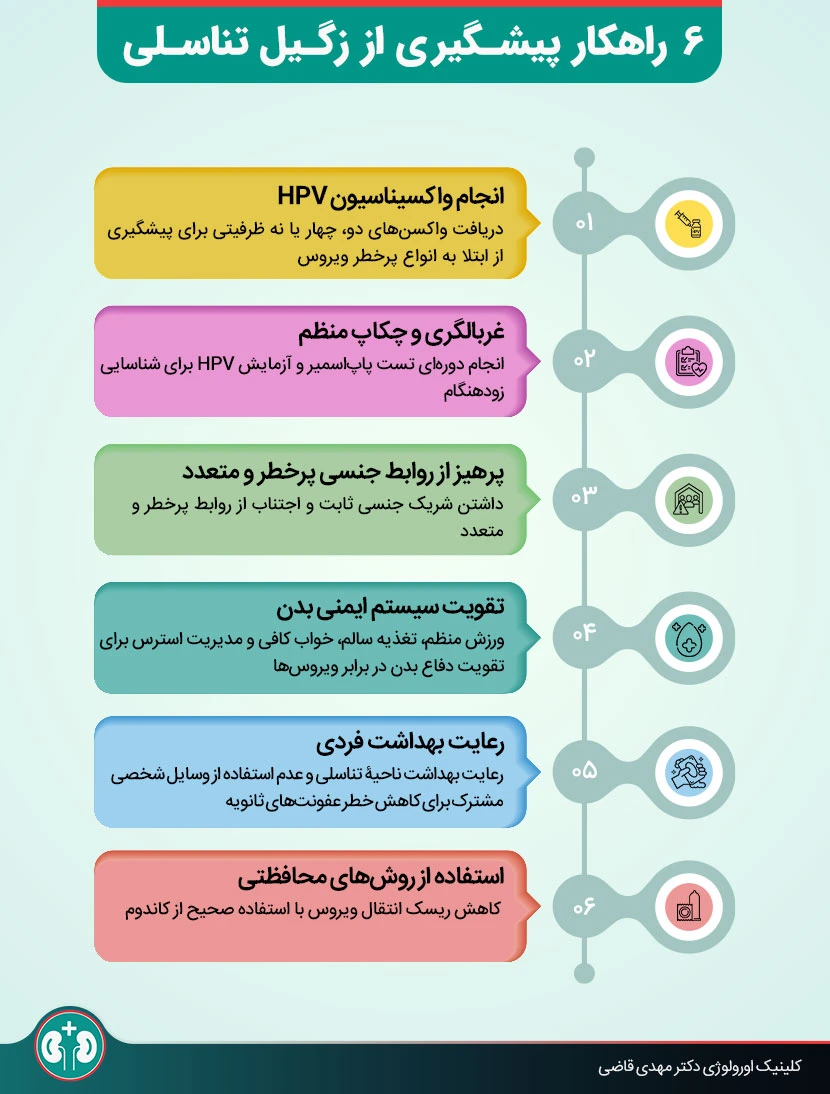
برای پیشگیری از زگیل تناسلی و کاهش خطر ابتلا به ویروس HPV، رعایت مجموعهای از اقدامات پزشکی، بهداشتی و مراقبتی ضروری است. روشهای جلوگیری از زگیل تناسلی مردان و زنان یکسان است. این اقدامات، درصورتیکه بهدرستی و به موقع انجام شوند، میتوانند به شکل مؤثری خطر انتقال و ابتلا به زگیل تناسلی را کاهش دهند.
در ادامه، مهمترین راهکارهای پیشنهادی را مرور میکنیم.
1. واکسیناسیون و پیشگیری پزشکی؛ راه اصلی پیشگیری از زگیل تناسلی
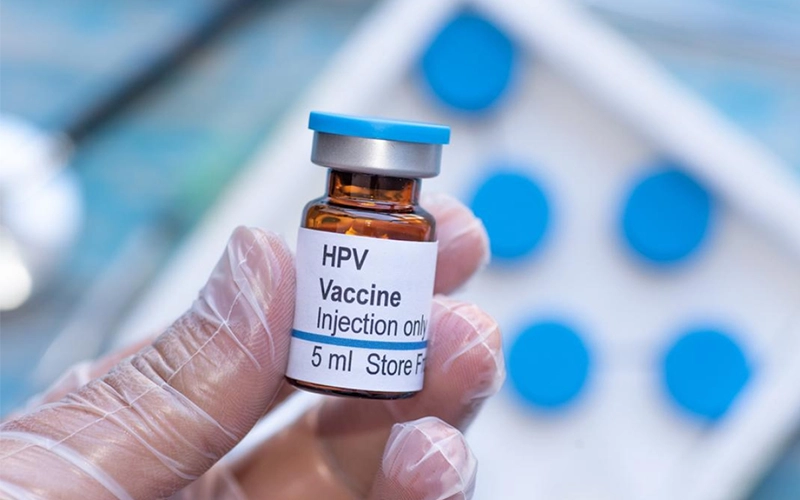
بهترین راهکار برای پیشگیری از زگیل تناسلی، واکسیناسیون HPV است. بر اساس اعلام وزارت بهداشت و مراقبت از سالمندان استرالیا، سه نوع واکسن برای جلوگیری از ابتلا به زگیل تناسلی موجود است: واکسن HPV دو ظرفیتی (2vHPV)، واکسن چهار ظرفیتی (4vHPV) و واکسن نه ظرفیتی (9vHPV). همانطور که قبلاً نیز اشاره کردیم، ویروس HPV انواع مختلفی دارد و هر کدام از این واکسنها، تعدادی از سویههای این ویروس را پوشش میدهند. در ادامه در مورد این سه نوع واکسن توضیح میدهیم:
واکسن HPV دو ظرفیتی (2vHPV) برای جلوگیری از دو سویۀ پرخطر اچپیوی 16 و 18 که عامل بیشتر موارد سرطان دهانۀ رحم هستند، مفید است.
واکسن HPV چهار ظرفیتی (4vHPV) علاوه بر سویههای 16 و 18، از شما در برابر دو سویۀ کمخطر 6 و 11 محافظت میکند.
واکسن HPV نه ظرفیتی (9vHPV) از شما در برابر نه سویۀ اچپیوی (6، 11، 16، 18، 31، 33، 45، 52 و 58) محافظت میکند و برای جلوگیری از بیشتر سرطانهای مرتبط با HPV مفید است.
در بازار، 3 نوع واکسن پاپیلوگارد (Papilloguard)، گارداسیل 4 (Gardasil 4) و گارداسیل 9 (Gardasil 9) معروف شدهاند که پاپیلوگارد، همان واکسن HPV دو ظرفیتی و هدف از تزریق آن، پیشگیری از سرطان دهانۀ رحم، سرطان مقعد، سرطانهای ناحیه تناسلی است.
برای پیشگیری همزمان از سرطان دهانۀ رحم و جلوگیری از زگیل تناسلی، میتوانید واکسن گارداسیل 9 را تزریق کنید که همان واکسن HPV نه ظرفیتی (9vHPV) است و تزریق آن برای زنان و مردان، مفید محسوب میشود.
یکی از پرسشهای اساسی در مورد واکسیناسیون HPV و تأثیر آن در پیشگیری، این است که بهترین زمان برای دریافت واکسن، چه زمانی است؟ مرکز کنترل و پیشگیری از بیماریهای آمریکا (CDC)، سن 11 تا 12 سالگی را سن ایدهآل برای دریافت واکسن HPV برای دختران و پسران اعلام کرده است؛ زیرا در این سن، سیستم ایمنی، بهترین پاسخ را به واکسن میدهد. البته واکسیناسیون HPV از 9 سالگی آغاز میشود و کودکان از 9 سالگی میتوانند واکسن مذکور را دریافت کنند. در ادامه نکاتی در مورد واکسن HPV بیان خواهیم کرد:
9 تا 26 سالگی، زمان مناسبی برای دریافت واکسن HPV است. اگر افراد 9 تا 14 سالگی برای دریافت واکسن اقدام کنند، دو دوز از این واکسن برایشان کافی است. دوز دوم باید با فاصله ۶ تا ۱۲ ماه پس از دوز اول تزریق شود.
اگر در بازۀ 9 تا 14 سالگی، واکسن دریافت نشد، افراد میتوانند از سن 15 تا 26 سالگی برای دریافت واکسن اقدام کنند. البته در این بازۀ سنی باید سه دوز واکسن HPV دریافت کنند. دوز دوم یک تا دو ماه پس از دوز اول و دوز سوم، شش ماه پس از دوز اول، تزریق میشود.
توجه داشته باشید که افرادی که دچار نقص ایمنی هستند، حتی اگر واکسیناسیون را قبل از 14 سالگی شروع کنند، باز هم باید سه دوز واکسن دریافت کنند.
تزریق واکسن HPV ممکن است برای افراد 27 تا 45 ساله نیز مفید باشد. البته تصمیمگیری در این موارد باید با مشورت پزشک انجام شود.
نکتۀ مهمی که باید مد نظر داشته باشید این است که ایمنی ناشی از واکسنهای پاپیلوگارد و گارداسیل تا 15 سال باقی میماند و در صورت تزریق دوزههای واکسنهای مورد بحث، نیازی به دوز یادآور نیست.
در این بخش سعی کردیم توضیحات کاملی در مورد واکسن HPV بدهیم، برای کسب اطلاعات کامل در این زمینه، میتوانید مقاله واکسن پیشگیری از زگیل تناسلی را مطالعه کنید.
2. غربالگری و معاینات دورهای؛ آیا غربالگری و تستهای پزشکی ضروری هستند؟
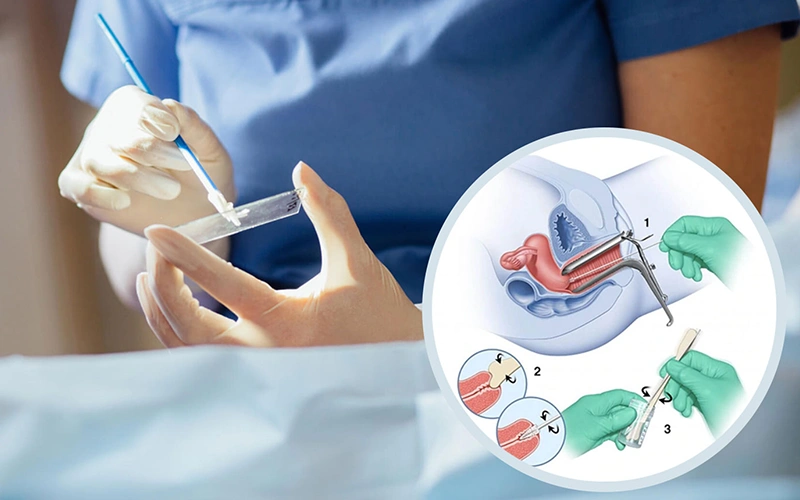
یکی دیگر از روشهای کاهش عوارض ابتلا به ویروس HPV، غربالگری HPV، چکاپ و معاینات منظم پزشکی به صورت دورهای است. آزمایش پاپ اسمیر (Pap smear) از جمله معاینات دورهای است که باید برای بانوان انجام شود. این آزمایش، سلولهای دهانۀ رحم را برای تشخیص تغییرات غیرطبیعی و ناشی از HPV بررسی میکند.
البته غربالگری در جلوگیری از زگیل تناسلی در زنان نقشی ندارد؛ اما کمک میکند تا در صورت ابتلا به HPV زود متوجه شوند. با تشخیص و اقدام بهموقع میتوانید از تغییرات پیش سرطانی و سرطانی جلوگیری کنند.
توصیه میشود که خانمها از 21 سالگی این آزمایش را به صورت منظم انجام دهند و فاصله انجام آن هم بسته به سن افراد، متفاوت است.
به بانوان از 21 تا 29 سالگی توصیه میشود که هر 3 سال یکبار این آزمایش را انجام دهند.
بانوان از 30 تا 65 سالگی، بهتر است هر سه سال یکبار این آزمایش را بدهند یا هر 5 سال یکبار پاپ اسمیر را به همراه آزمایش HPV انجام دهند.
بانوان بالای 65 سال، در صورت داشتن نتایج غربالگری طبیعی و نبودن در معرض خطر بالای سرطان دهانۀ رحم، ممکن است نیازی به ادامۀ آزمایش پاپ اسمیر نداشته باشند. البته تصمیم در این زمینه باید با توصیۀ پزشک متخصص صورت گیرد.
در صورتی که نتایج آزمایش پاپ اسمیر، طبیعی نباشد، این احتمال وجود دارد که پزشک از کولپوسکوپی کمک بگیرد و با یک دستگاه مخصوص، دهانۀ رحم را با دقت بیشتر بررسی کند.
یک روش ساده برای تشخیص زگیل تناسلی در زنان و مردان، معاینه مداوم ناحیه تناسلی توسط خود فرد است. در صورتی که زائده یا تغییری غیرطبیعی را حین معاینههای خود مشاهده کردید، به پزشک مراجعه کنید. به علاوه، معاینات دورهای توسط پزشک متخصص زنان میتواند به تشخیص زودهنگام زگیل تناسلی و سایر بیماریهای مرتبط با HPV کمک کند.
آزمایش HPV با استفاده از روش PCR یکی از دقیقترین روشها برای تشخیص وجود ویروس و تعیین نوع آن است. این آزمایش به طور مستقیم وجود ویروس HPV را در سلولهای دهانه رحم تشخیص میدهد و برای بانوان بالای 30 سال توصیه میشود.
آزمایش HPV با روشی که گفته شد، در مردان معمولاً برای تعیین وجود ویروس و نوع آن است و برای ایمنسازی شریک جنسی و اطمینان خاطر او از بابت آلوده بودن یا نبودن فرد به ویروس HPV صورت میگیرد.
3. روشهای پیشگیری در زندگی روزمره با پرهیز از روابط جنسی پرخطر
روشهای مختلفی برای جلوگیری از زگیل تناسلی در زندگی روزمره وجود دارد که از جمله آنها میتوان به تقویت سیستم ایمنی بدن، بهداشت فردی و استفاده از ابزارهای محافظ جنسی مثل کاندوم اشاره کرد.
یکی دیگر از روشهای پیشگیری که اهمیت فوقالعادهای برای مبتلا نشدن به زگیل تناسلی دارد، پرهیز از روابط جنسی متعدد و پرخطر است. ارتباط با چند شریک جنسی، قاعدتاً احتمال تماس با افراد آلوده به ویروس HPV را افزایش میدهد.
برخی افراد، در کنار برقراری رابطۀ جنسی با افراد مختلف، از وسایل محافظ مثل کاندوم استفاده نمیکنند و از این راه، احتمال ابتلا به زگیل تناسلی را افزایش میدهند. از سویی، خود روابط جنسی متعدد، میتواند احتمال ابتلا به این بیماری را بالا ببرد و به صورت همزمان بیماریهای مختلفی در فرد به وجود آورد. نتیجه وجود بیماریهای متعدد در فرد، تضعیف سیستم ایمنی او و پیچیده شدن فرایند درمان میشود.
برخی این پرسش را مطرح میکنند که آیا HPV فقط از طریق رابطه جنسی منتقل میشود؟ آیا تماس پوستی میتواند عامل انتقال ویروس باشد؟ در پاسخ باید بگوییم که HPV عمدتاً از طریق تماس مستقیم پوست با پوست در حین رابطه جنسی منتقل میشود. با این حال، انتقال آن از طریق تماس پوستی غیرجنسی (حتی تماسهای جزئی) نیز امکانپذیر است.
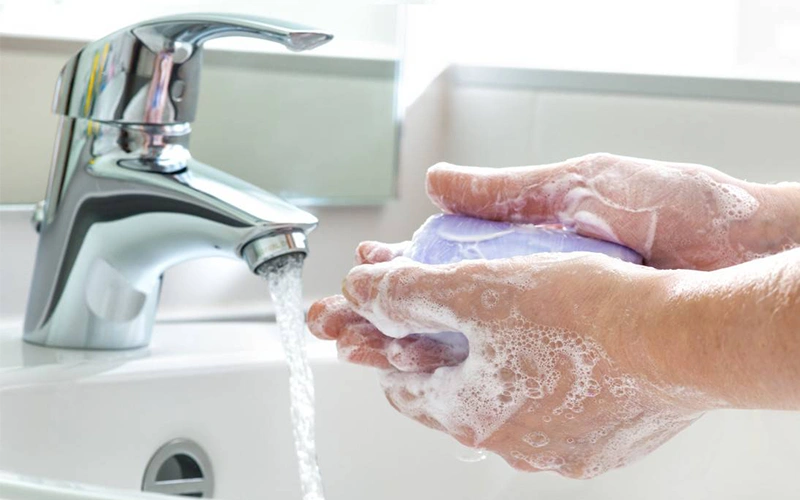
ناگفته نماند که انتقال HPV از طریق تماس غیر جنسی، خیلی کمتر از تماس جنسی است. با این حال، شستن دستها با آب و صابون پس از لمس زگیل تناسلی میتواند خطر انتقال ویروس را به میزان قابل توجهی کاهش دهد. دقت داشته باشید که برای مراقبت از سلامتی خودتان، از لمس زگیلهای تناسلی دیگران خودداری کنید.
4. تقویت سیستم ایمنی؛ تکنیکی بنیادین برای مبارزه با ویروس پاپیلوم انسانی
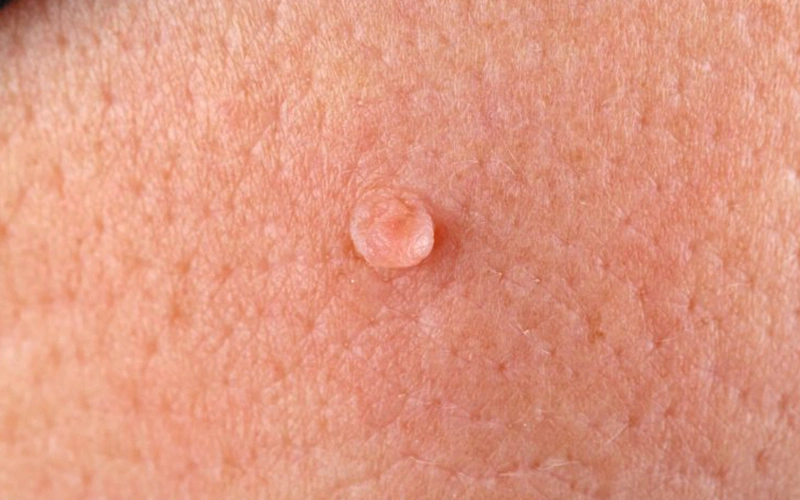
نقش تقویت سیستم ایمنی در پیشگیری از زگیل تناسلی و ویروس HPV را نباید دست کم گرفت. اگر سیستم ایمنی بدن قوی باشد، قاعدتاً خیلی راحتتر از پس سرکوب کردن ویروس پاپیلوم انسانی برمیآید. میتوان گفت ایمنی قوی به جلوگیری از زگیل تناسلی بعد از رابطه کمک میکند.
در ادامه چند تکنیک کلیدی ارائه میدهیم که برای تقویت سیستم ایمنی بدن مفید است:
تغذیه سالم، شالوده و اساس تقویت سیستم ایمنی است. با مصرف میوهها و سبزیجات سرشار از ویتامین، مواد معدنی و آنتیاکسیدان میتوانیم گامی اساسی به سوی قوی ساختن بدن برداریم و سیستم ایمنی خود را در برابر ویروس HPV مقاوم کنیم.
دریافت پروتئین برای ساخت و ترمیم سلولهای ایمنی، ضروری است و میتوانید پروتئین مورد نیاز بدن خود را با مصرف گوشت، مرغ، ماهی، تخممرغ، حبوبات و آجیل تأمین کنید.
کاهش مصرف قند و غذاهای فرآوریشده را هم در اولویت بگذارید و از چربیهای سالم مثل روغن زیتون و ماهیهای چرب نیز غافل نشوید تا بتوانید سیستم ایمنی قدرتمندی برای خود تدارک ببینید.
حداقل 30 دقیقه ورزش در روز و حداقل 150 دقیقه در هفته برای سیستم ایمنی بدنتان، مفید است.
خواب خوب، سیستم ایمنی خوب برای شما میسازد. پس 7 تا 8 ساعت خواب شبانه هم به خودتان هدیه دهید.
سیگار و سایر دخانیات، سیستم ایمنی بدن را ضعیف میکند و توانایی آن را در مبارزه با عفونتهایی مثل HPV کاهش میدهد. پس نقش ترک سیگار در پیشگیری از زگیل تناسلی را جدی بگیرید.
نکته: تقویت ایمنی، روشهای خانگی و راههای پیشگیری از زگیل تناسلی در طب سنتی بهتنهایی قابلاتکا و جاگزین واکسن HPV نیستند.

5. رعایت بهداشت فردی و محافظت؛ راهی دیگر برای مبارزه با انتقال زگیل تناسلی
شستشوی منظم ناحیه تناسلی با آب و صابون ملایم، خشک نگه داشتن ناحیه تناسلی، اجتناب از استفاده از محصولات معطر در این ناحیه و پرهیز از استفاده از وسایل شخصی مشترک، جزو مهمترین نکات بهداشت فردی است که از انتقال زگیل تناسلی جلوگیری میکند. در ادامه این نکات را به صورت مختصر و مفید توضیح میدهیم:
شستشوی منظم ناحیۀ تناسلی، خشک نگه داشتن آن: ناحیه تناسلی را با آب و صابون ملایم بشویید و از استفاده از صابونهای معطر و محصولات آرایشی قوی بپرهیزید تا پوستتان تحریک نشود. ویروسها و عفونتها، شیفتۀ محیطهای مرطوبند. پس سعی کنید ناحیه تناسلی را خشک نگه دارید و پس از شستشو هم فوراً آن را خشک کنید.
استفاده از لباس زیر نخی: لباس زیر نخی به تهویه مناسب ناحیه تناسلی کمک میکند و از ایجاد رطوبت جلوگیری میکند. از پوشیدن لباسهای زیر تنگ و نایلونی هم خودداری کنید؛ چون این لباسها توان خوبی برای ایجاد رطوبت دارند.
استفاده نکردن از وسایل شخصی مشترک: از وسایل شخصی مثل حوله، ژیلت، تیغ، مسواک و لباس زیر، به صورت مشترک استفاده نکنید؛ چون ممکن است این وسایل، آلوده به ویروس HPV یا هر ویروس دیگری باشند و شما را درگیر کنند. همچنین به هیچ عنوان به صورت مشترک از اسباب بازیهای جنسی استفاده نکنید.
پرهیز از دستکاری زگیلهای تناسلی: سعی کنید به زگیلهای تناسلی دست نزنید و از کندن یا خاراندن آنها هم بپرهیزید. در صورت لمس زگیلها، حتماً دستهای خود را با آب و صابون، بشویید. این کار به جلوگیری از زیاد شدن زگیل تناسلی کمک میکند.
6. استفاده از روشهای محافظتی برای پیشگیری از انتقال زگیل تناسلی و عفونت های مقاربتی
استفاده از کاندوم مردانه و زنانه میتواند خطر انتقال ویروس HPV و سایر عفونتهای مراقبتی را به میزان قابل توجهی کاهش دهد، اما بهتنهایی نمیتواند جلوی انتقال HPV را بگیرد؛ زیرا این ویروس ممکن است جاهایی حضور داشته باشد که کاندوم، آن را پوشش نمیدهد.
جمعبندی
بر اساس آمارهای سازمان بهداشت جهانی، ویروس HPV در سال 2022 باعث شده است حدود نیم میلیون تن به سرطان دهانۀ رحم مبتلا شوند و 250 هزار تن بر اثر این سرطان، جان خود را از دست بدهند. درواقع، اهمیت جلوگیری از زگیل تناسلی مردان در این است که آن را به شریک جنسی خود منتقل نکنند؛ زیرا عوارض آن برای بانوان بسیار خطرناک است. برای جلوگیری از مشکلات و عوارض ویروس HPV، لازم است از روشهای پیشگیرانه استفاده کنیم. در این مقاله کوشیدیم 6 نکته کلیدی برای پیشگیری از زگیل تناسلی را بیان کنیم و در مورد هر تکنیک به صورت کامل توضیح دهیم.
یکی از راهکارهای اساسی برای پیشگیری از زگیل تناسلی، مشاوره گرفتن از پزشک متخصص اورولوژی است. متخصص اورولوژی میتواند اطلاعات دقیق و بهروز در مورد HPV، زگیل تناسلی، روشهای انتقال، پیشگیری و درمان به مراجعان خود ارائه دهد. همچنین او معاینات لازم را انجام میدهد و نکات لازم برای درمان، روشهای محافظتی و واکسیناسیون HPV را برای افراد بیان میکند.
دکتر مهدی قاضی، جراح و متخصص کلیه، مجاری ادراری و تناسلی در مشهد، یکی از متخصصان برجسته برای دریافت مشاوره در زمینه پیشگیری از زگیل تناسلی و درمان این بیماری است. در صورت تمایل به دریافت نوبت برای مراجعه به این پزشک، کافی است به سامانه نوبت دهی آنلاین مراجعه کنید یا با شماره ۰۹۳۹۷۸۰۵۹۰۲ تماس بگیرید.
سوالات متداول
در این بخش از مقاله میخواهیم به پرسشهای پرتکرار و رایجی که پیرامون پیشگیری از زگیل تناسلی مطرح میشود، پاسخ دهیم.
سوالات متداول
چیکار کنیم زگیل تناسلی نگیریم ؟
با واکسیناسیون، معاینات دورهای، پرهیز از روابط پرخطر، رعایت بهداشت فردی، تقویت سیستم ایمنی و استفاده از کاندوم میتوان احتمال ابتلا را کاهش داد.
آیا افراد واکسینهشده هم ممکن است زگیل تناسلی بگیرند؟
اگر واکسیناسیون کامل انجام شده و قبل از شروع فعالیت جنسی بوده، احتمال ابتلا به زگیل تناسلی بسیار کم است. اما اگر فرد قبل از واکسیناسیون در معرض HPV قرار گرفته باشد، واکسن نمیتواند عفونتهای قبلی را درمان کند.
آیا کاندوم از زگیل تناسلی جلوگیری میکند؟
اگرچه استفاده صحیح و مداوم از کاندوم خطر انتقال HPV را کاهش میدهد، اما چون ویروس میتواند از طریق تماس پوستی با نواحی اطراف اندام تناسلی منتقل شود، کاندوم محافظت کامل ایجاد نمیکند.
آیا ممکن است فردی بدون علامت HPV را منتقل کند؟
بله. بسیاری از افرادی که به HPV مبتلا هستند، هیچگونه علامتی ندارند اما همچنان میتوانند ویروس را منتقل کنند. به همین دلیل پیشگیری و واکسیناسیون اهمیت بالایی دارد.
آیا دست زدن به زگیل تناسلی باعث انتقال میشود؟
بله، تماس مستقیم با زگیل میتواند ویروس را منتقل کند، بهویژه اگر بریدگی یا خراش روی پوست باشد.
اقدامها و مسیرهای مرتبط
پزشکان مرتبط با این موضوع در مشهد
مشاهدهٔ همهٔ پزشکان: بهترین دکتر زگیل تناسلی مردان مشهد
دکتر مهدی قاضی
جراح و متخصص اورولوژی
نوبت آنلاین

دکتر محسن سلطانی راد
متخصص اورولوژی
نوبت آنلاین

دکتر رضا جهانی نوروزی
پزشک بیماریهای کلیه، مجاری ادراری و تناسلی
نوبت آنلاین

دکتر حمید اکبرزاده
پزشک بیماریهای کلیه، مجاری ادراری و تناسلی
نوبت آنلاین

محمدمهدی ایمانی
فلوشیپ اندویورولوژی
نوبت تلفنی

محمد بادصبا
متخصص اورولوژی
نوبت تلفنی
دربارهٔ نویسنده
جراح و متخصص اورولوژی
دکتر مهدی قاضی، جراح و متخصص اورولوژی در مشهد. مقالات این سایت زیر نظر پزشکان ساختمان اورولوژی دکتر قاضی نوشته و بازبینی میشوند.
مشاهدهٔ پروفایل و نوبتدهی
دیدگاهها
0 دیدگاه
هنوز دیدگاهی ثبت نشده است. اولین نفری باشید که نظر میدهد.