 برای بزرگنمایی لمس کنید
کیست اپیدیدیم (اسپرماتوسل) چیست؟ علت، علائم و بهترین روشهای درمان
کیست اپیدیدیم یا اسپرماتوسل تودهای خوش خیم در اپیدیدیم است که اغلب بدون درد است. در این مقاله به تشخیص، علائم، و روشهای درمان کیست اپیدیدیم پرداختهایم.
- نویسنده
- دکتر مهدی قاضی
- تاریخ انتشار
- ۹ مرداد ۱۴۰۳
- زمان مطالعه
- ۶ دقیقه مطالعه
- آخرین بهروزرسانی
- بهروزرسانی: ۲۹ تیر ۱۴۰۵
کیست اپیدیدیم چیست؟
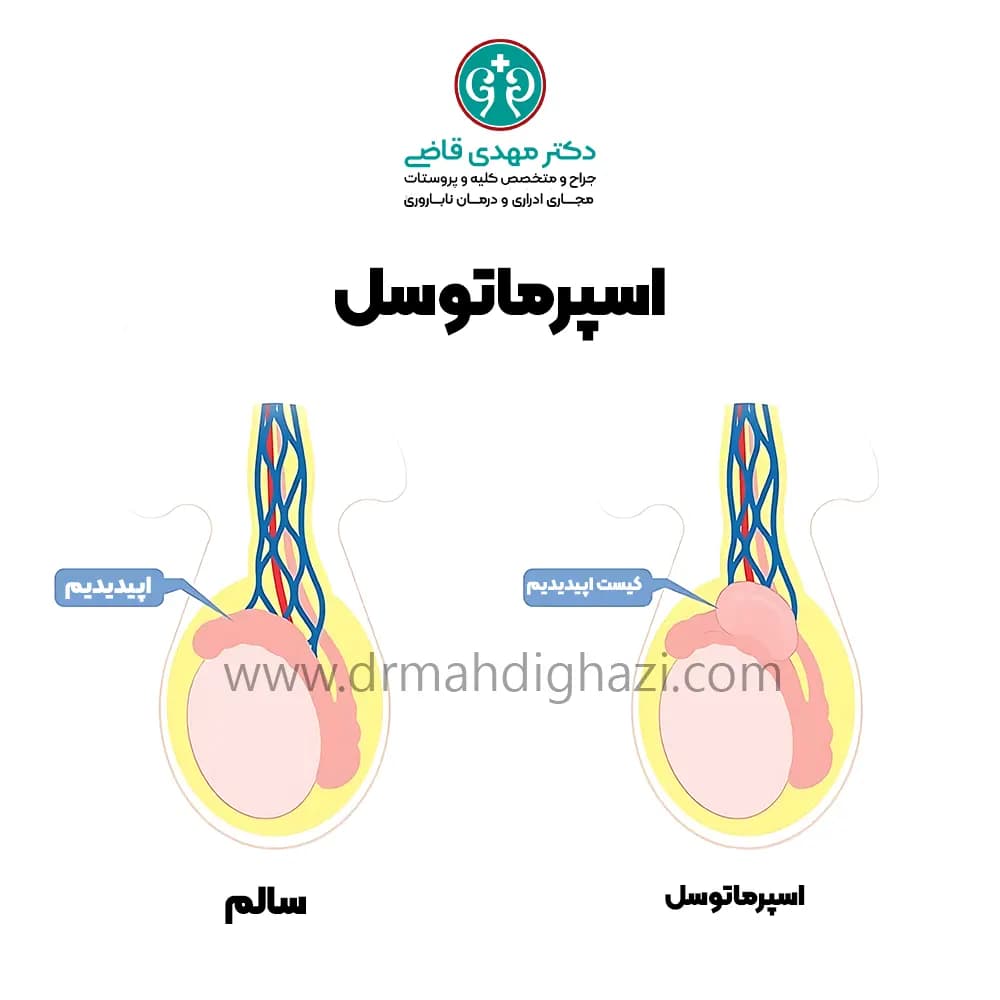
اسپرماتوسل یا کیست اپیدیدم تودهای خوش خیم در اپیدیدیم است. اپیدیدیم لولهای است که در بالای هر بیضه قرار دارد و وظیفه حمل و ذخیره اسپرم را برعهده دارد. این کیستها حاوی مایعی شفاف یا شیری رنگ هستند که ممکن است حاوی اسپرم نیز باشند.
آیا کیست اپیدیدیم خطرناک است؟
این کیستها به طور معمول بدون درد هستند و اغلب به طور تصادفی در طول معاینات پزشکی یا خودآزمایی بیضهها کشف میشوند. این تودهها به ندرت باعث مشکلات جدی میشوند و معمولاً نیازی به درمان ندارند مگر اینکه بزرگ یا دردناک شوند. دلایل ایجاد اسپرماتوسلها به طور دقیق ناشناخته است، اما احتمال دارد به دلیل انسداد در یکی از لولههای اپیدیدیم باشد.
معمولاً کیستهای اپیدیدیم بدون عوارض هستند، اما در برخی موارد ممکن است پیچ خورده و بسیار دردناک شوند. در موارد پیچ خوردگی، درد ناگهانی بیضه طی نیم ساعت ایجاد میشود و ممکن است برای رفع پیچ خوردگی جراحی لازم باشد.



افرادی که مبتلا به بیماری کیست اپیدیدیم هستند، عموماً توانایی باروری نرمال دارند.
درمانهای موجود برای اسپرماتوسل شامل جراحی و تخلیه کیست میباشد، اما این درمانها زمانی ضرورت پیدا میکنند که کیست بیمار را دچار علامت کرده است.
چه کسانی مبتلا به کیست اپیدیدیم میشوند؟
افراد میانسال بیشترین شانس ابتلا را دارند. کودکان و نوجوانان نیز از این بیماری مستثنی نیستند. آمار دقیقی از افراد مبتلا وجود ندارد زیرا بسیاری از افراد از وجود آن بی خبر هستند.
علائم
کیستهای اپیدیدیم معمولاً در بالا یا پایین بیضهها ایجاد میشوند و معمولاً دردناک نیستند. این کیستها عفونی نمیشوند و باروری، جریان ادرار یا انزال را تحت تأثیر قرار نمیدهند. عدهای معتقدند این کیستها به دلیل انسداد در مجاری اسپرم بر پشت بیضه به وجود میآیند.
تشخیص
تشخیص کیست اپیدیدیم به دلیل وجود تودههای مختلف در مجاورت بیضه که ممکن است شبیه بهاین کیستها به نظر برسند، میتواند چالش برانگیز باشد. این تودهها میتوانند به دلایل مختلفی از جمله التهابها، هیدروسل، واریکوسل و لیپومها شکل بگیرند. هر یک از این شرایط ویژگیها و نشانههای خاص خود را دارند که در معاینه فیزیکی ممکن است با کیست اپیدیدیم اشتباه گرفته شوند. شناخت دقیق این تودهها و تفاوتهای آنها از کیست اپیدیدیم برای تشخیص صحیح و درمان مناسب ضروری است.
التهابها: برخی از التهابها ممکن است باعث متورم شدن اپیدیدیم شوند که در معاینه شبیه کیست به نظر برسند.
هیدروسل: در هیدروسل، مایعی اطراف بیضه داخل کیسههای بیضه تشکیل میشود.
واریکوسل: واریکوسل اتساع وریدهای بیضه است که ممکن است شبیه کیسهای از کرم به نظر برسد.
لیپوم: لیپومها تودههای چربی هستند که در مجاورت بیضه شکل میگیرند و ممکن است شبیه کیست اپیدیدیم به نظر برسند.
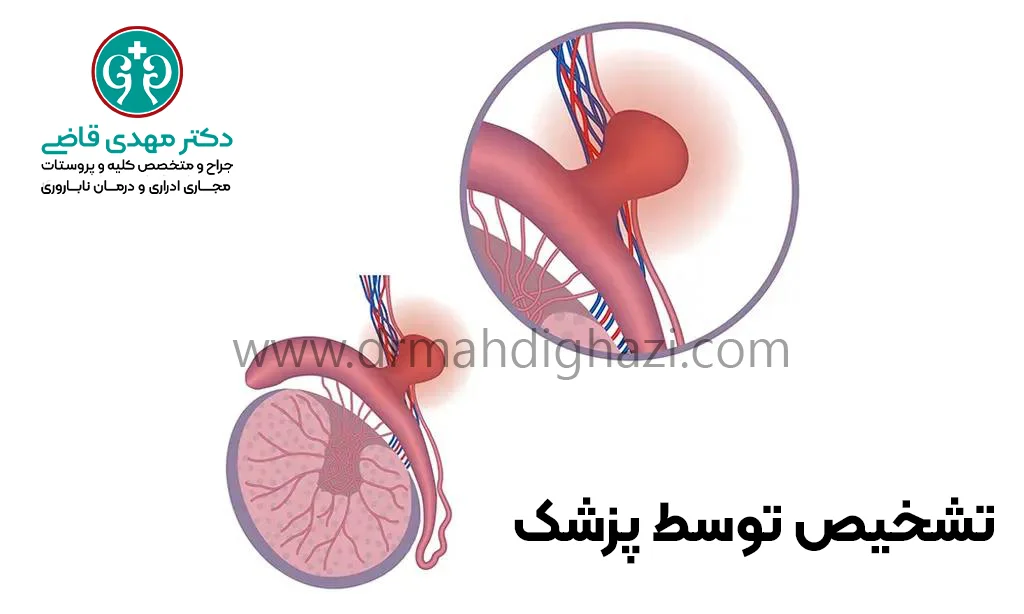
برای تشخیص کیستهای اپیدیدیم، پزشک معمولاً به اخذ شرح حال و انجام معاینه فیزیکی میپردازد. در صورت لزوم، سونوگرافی میتواند برای تأیید تشخیص استفاده شود. بیشتر افرادی که مبتلا به کیستهای بیضه میشوند، افراد سالم هستند، هرچند این بیماری در موارد زیر بیشتر دیده میشود:
فیبروز کیستیک: فیبروز کیستیک یک بیماری ارثی است که کیستها درون ریهها، لوزالمعده و سایر قسمتهای بدن تشکیل میشوند.
بیماری کلیه پلی کیستیک: یک بیماری ارثی است که کیستها داخل کلیه و سایر نقاط بدن تشکیل میشوند.
تشخیص کیست اپیدیدیم توسط بیمار
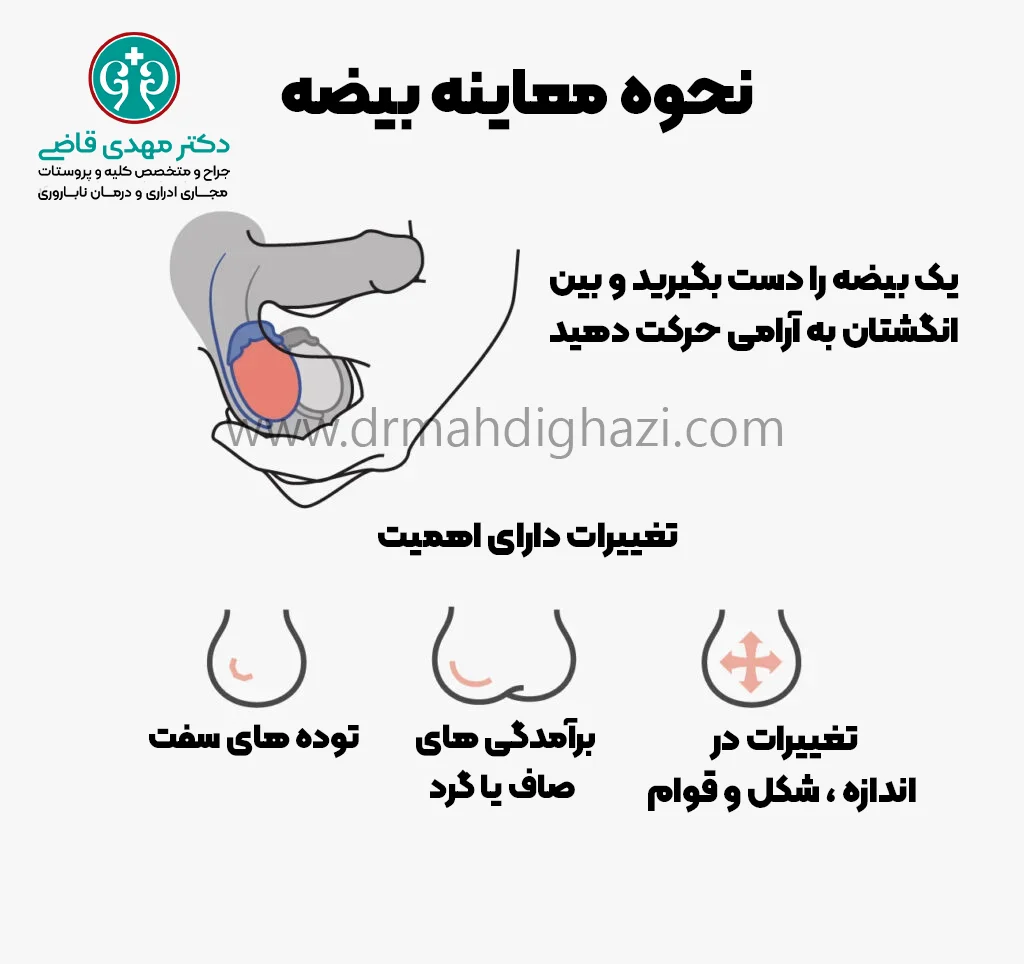
بهترین زمان برای معاینه بیضهها در حین دوش آب گرم یا بعد از آن است. آب گرم باعث شل شدن بیضه و تشخیص بهتر هر توده غیرطبیعی میشود. از روشهای زیر برای معاینه بیضه کمک بگیرید:
هر بیضه جداگانه با دو دست بررسی شود.
معاینه بیضهها بین شست و انگشتان دست انجام شود.
بیضهها در حالت معمولی بیضی شکل، صاف و تا حدی سفت هستند.
با انجام این معاینه ساده میتوان با خصوصیات بیضهها آشنا شده و هرگونه تغییرات غیرطبیعی را زودتر تشخیص داد.
معاینات معین و منظم توسط خود فرد میتواند نقش بسیار مهمی در حفظ سلامت داشته باشد. اما باید به یاد داشت که معاینات دورهای توسط پزشک بسیار معتبرتر در تشخیص وضعیت بیضهها است.
درمان کیست اپیدیدیم
اگر کیستها کوچک هستند و علائمی ایجاد نمیکنند، عموماً نیازی به درمان نیست. درمان زمانی انجام میشود که کیستها بسیار بزرگ یا دردناک شوند. در اطفال، این کیستها ممکن است خود به خود و طی سالها برطرف شوند. در کودکان نیز جراحی زمانی انجام میشود که کیستها بسیار بزرگ یا دردناک باشند. کیستهای بسیار بزرگ و دردناک را میتوان به روش جراحی حذف نمود . در برخی موارد، با صلاح دید ارولوژیست، مایع داخل کیست توسط سوزن و سرنگ تخلیه شده و برای پیشگیری از عود آن مادهای به داخل کیست تزریق میشود.
روشهای درمان
جراحی و حذف اسپرماتوسل
این جراحی عموماً به صورت سرپایی و با بیهوشی عمومی یا بیحسی نخاعی انجام میشود.تخلیه کیست با سوزن و سرنگ (آسپیراسیون کیست از طریق پوست)
آسپیراسیون یک روش درمانی است که خیلی متداول نیست و گاهی همراه با اسکلروتراپی انجام میشود. در این روش، سوزنی مخصوص به داخل کیست وارد شده و مایع درون آن کشیده میشود. ممکن است جراح یک ماده شیمیایی تحریک کننده (اسکلروتراپی) درون کیست تزریق کند تا شانس عود کمتر شود. یکی از عوارض احتمالی اسکلروتراپی، آسیب رسیدن به اپیدیدیم است. همچنین این احتمال وجود دارد که کیست پس از درمان دوباره رشد کند. این روش تنها برای مردان مسنی که سن فرزندآوری آنها گذشته باشد و امکان جراحی را نداشته باشند، تجویز میشود.رژیم غذایی و مکملها
رژیم غذایی سرشار از غذاهای ضدالتهاب میتواند یکی از روشهای درمان کیست اپیدیدیم باشد. مصرف برخی مکملها باید در رژیم غذایی قرار داده شود که عبارتند از:
ید
یکی از علل ایجاد این کیست کمبود ید است استفاده از ید به عنوان درمان ترکیبی میتواند با نفوذ ید به درون کیست باعث کاهش اندازه آن شودمنیزیم
میزان کلسیم بدن در رشد کیست اپیدیدیم موثر است مکملهای منیزیوم با دفع مقادیر اضافی کلسیم از افزایش آن جلوگیری کرده و به تنظیم سطح کلسیم کمک میکندکلرید کروم
این ماده نیز وظیفه تنظیم کلسیم در بدن را به عهده دارد. کیستها بر اثر افزایش قابلیت انحلال پذیری کلسیم در بافتها و افزایش سطح قند خون در بافتها و استخوانها ایجاد میشوند. کلرید کروم باعث میشود سطح کلسیم متعادل شده و از ازدیاد آن جلوگیری کند. نوشیدن مقدار زیاد آب و پرهیز از مصرف قند، به سودمندی این گزینه درمانی کمک زیادی میکند.
پیشگیری از بروز کیست اپیدیدیم
اگرچه جلوگیری از بروز کیست اپیدیدیم ممکن نیست، اما میتوان با معاینات منظم حداقل یک بار در ماه، تغییرات مانند برآمدگیهای غیرطبیعی یا تودهها را در بیضهها مشخص کرد. در صورت مشاهده هر گونه توده غیرطبیعی، باید فوراً به پزشک اطلاع داده شود.
جمع بندی
کیست اپیدیدیم یا اسپرماتوسل تودهای خوش خیم و معمولاً بدون درد است که در اپیدیدیم تشکیل میشود و اغلب نیازی به درمان ندارد، مگر اینکه بزرگ یا دردناک شود.
تشخیص صحیح از طریق معاینه فیزیکی و سونوگرافی صورت میگیرد. روشهای درمان شامل جراحی و تخلیه کیست است. همچنین، مصرف غذاهای ضدالتهاب و برخی مکملها میتواند در کاهش اندازه کیست مؤثر باشد.
معاینات منظم و خودآزمایی بیضهها در تشخیص زودهنگام تودهها کمک میکند. با رعایت نکات ذکر شده میتوان از بروز مشکلات جدی جلوگیری کرده و سلامت را حفظ کرد.
سوالات متداول
کیست اپیدیدیم چیست؟
کیست اپیدیدیم تودهای خوش خیم است که در اپیدیدیم تشکیل میشود و معمولاً حاوی مایع شفاف یا شیری رنگی است.
علائم کیست اپیدیدیم چیست؟
بیشتر کیستهای اپیدیدیم بدون درد هستند و معمولاً در معاینات پزشکی یا خودآزمایی بیضهها کشف میشوند.
آیا کیست اپیدیدیم میتواند باعث ناباروری شود؟
نه، کیستهای اپیدیدیم عموماً باروری، جریان ادرار یا انزال را تحت تأثیر قرار نمیدهند.
کیست اپیدیدیم چگونه تشخیص داده میشود؟
تشخیص از طریق معاینه فیزیکی و در صورت لزوم، سونوگرافی صورت میگیرد.
علل ایجاد کیست اپیدیدیم چیست؟
دلایل دقیق ایجاد کیست اپیدیدیم ناشناخته است، اما احتمال دارد به دلیل انسداد در یکی از لولههای اپیدیدیم باشد.
آیا کیست اپیدیدیم نیاز به درمان دارد؟
معمولاً نیازی به درمان نیست مگر اینکه کیست بزرگ یا دردناک شود.
روشهای درمان کیست اپیدیدیم چیست؟
جراحی و تخلیه کیست دو روش رایج درمان هستند.
آیا کیست اپیدیدیم در کودکان هم رخ میدهد؟
بله، کودکان و نوجوانان نیز ممکن است به کیست اپیدیدیم مبتلا شوند.
آیا کیست اپیدیدیم عوارضی دارد؟
معمولاً بدون عوارض است، اما در موارد نادر ممکن است پیچ خورده و بسیار دردناک شود.
آیا رژیم غذایی میتواند در درمان کیست اپیدیدیم مؤثر باشد؟
مصرف غذاهای ضدالتهاب و مکملهایی مانند ید و منیزیم میتواند در کاهش اندازه کیست مؤثر باشد.
چگونه میتوان از بروز کیست اپیدیدیم پیشگیری کرد؟
پیشگیری ممکن نیست، اما معاینات منظم میتواند به تشخیص زودهنگام کمک کند.
آیا کیست اپیدیدیم با بیماریهای دیگر اشتباه گرفته میشود؟
بله، کیستهای اپیدیدیم میتوانند با هیدروسل، واریکوسل و لیپومها اشتباه گرفته شوند.
اقدامها و مسیرهای مرتبط
پزشکان مرتبط با این موضوع در مشهد
مشاهدهٔ همهٔ پزشکان: بهترین دکتر و متخصص پروستات مشهد

دربارهٔ نویسنده
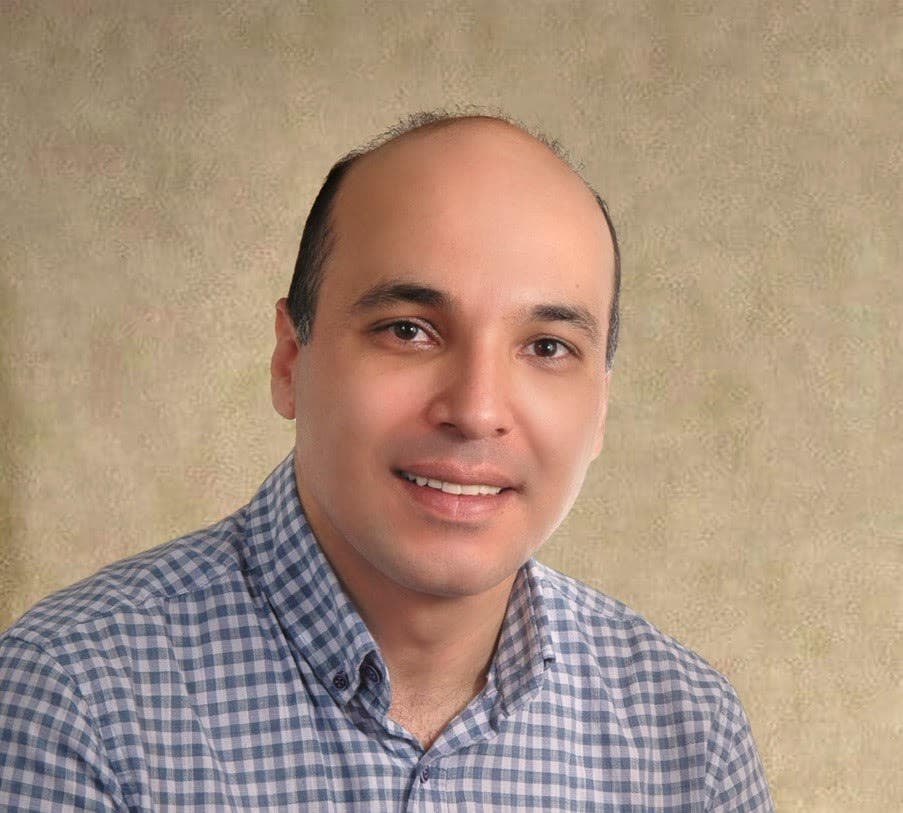
جراح و متخصص اورولوژی
دکتر مهدی قاضی، جراح و متخصص اورولوژی در مشهد. مقالات این سایت زیر نظر پزشکان ساختمان اورولوژی دکتر قاضی نوشته و بازبینی میشوند.
مشاهدهٔ پروفایل و نوبتدهی
دیدگاهها
18 دیدگاه